
Top Tips for Planting Vibrant Spring Flowers
There is something truly magical about the first blooms of spring. The way petals unfurl like whispered secrets, the soft colors that brighten even the grayest days, and the gentle promise of warmer times ahead. When I think about planting vibrant spring flowers, I imagine a canvas coming alive with every shade of joy. If you want your garden to sing with color and life, I’m here to share some heartfelt tips that have made my own spring flower planting a delight year after year.
How to Plant Vibrant Spring Flowers for a Lush Garden
The secret to a garden bursting with vibrant spring flowers starts long before the first seed touches the soil. It begins with choosing the right flowers that thrive in your climate and soil. For those of us in New England, where the seasons shift with a poetic rhythm, selecting hardy bulbs like tulips, daffodils, and crocuses can create a stunning early display.
Here’s what I always keep in mind:
Soil Preparation: Flowers need a soft, well-draining bed to stretch their roots. I loosen the soil and mix in organic compost to enrich it. This not only feeds the plants but also helps retain moisture without waterlogging.
Sunlight: Most spring flowers adore the sun. I pick spots that bask in at least six hours of sunlight daily. If your garden has shaded corners, consider shade-tolerant blooms like hellebores or bleeding hearts.
Planting Depth: Bulbs should be planted at a depth about three times their height. This protects them from frost and encourages strong root growth.
Spacing: Crowding flowers can stunt their growth. I space bulbs and seedlings generously, allowing air to circulate and petals to open wide.
By paying attention to these details, you set the stage for a garden that feels like a living poem, each flower a verse in your springtime story.

The Art of Choosing and Caring for Your Spring Blooms
Choosing the right flowers is like selecting the perfect palette for a painting. I love mixing early bloomers with those that flower later in the season, so the garden’s colors evolve gracefully. Crocuses and snowdrops peek out first, followed by daffodils and tulips, and then hyacinths and anemones.
To keep your flowers vibrant, consider these care tips:
Watering: Spring rains often provide enough moisture, but during dry spells, a gentle watering in the morning helps flowers stay fresh. Avoid overwatering, which can cause bulbs to rot.
Mulching: A layer of mulch keeps the soil cool and moist, and it also prevents weeds from stealing nutrients. I use shredded bark or straw for a natural look.
Deadheading: Removing spent flowers encourages plants to focus energy on new blooms rather than seed production.
Fertilizing: A balanced, slow-release fertilizer applied at planting time and again in early spring gives your flowers a nutrient boost.
With these simple rituals, your garden becomes a sanctuary where every petal feels cherished and every stem stands tall.
What is the rule of 3 in gardening?
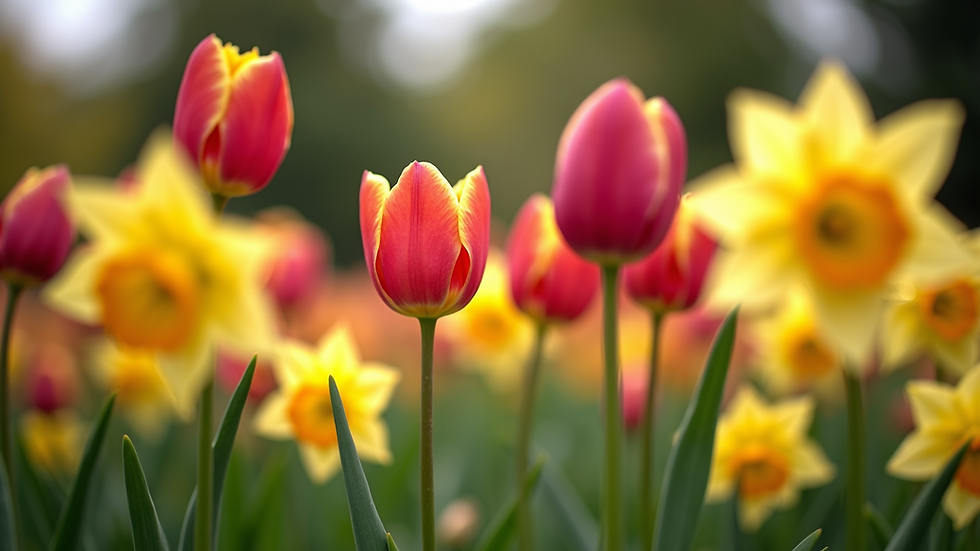
The rule of 3 is a charming principle that I find brings harmony and balance to any garden design. It suggests planting flowers in groups of three or multiples thereof. This odd-number grouping creates a natural, flowing look that pleases the eye more than even numbers.
Why does this work? Our eyes are drawn to asymmetry in nature, and clusters of three feel both intentional and organic. When I plant tulips or daffodils, I arrange them in threes or fives, mixing colors and heights to create depth and rhythm.
Try this in your garden:
Choose three bulbs or seedlings of the same variety.
Plant them close together but not touching.
Repeat the groupings across your flower bed, varying the species for a lively tapestry.
This simple rule transforms a patch of soil into a garden that feels thoughtfully composed yet effortlessly wild.
Preparing Your Garden for Lasting Spring Beauty
Spring flower planting is a joyful ritual, but it also requires a bit of foresight to ensure your blooms last and thrive. I always start by cleaning up the garden bed, removing any dead leaves or debris that might harbor pests or diseases.
Here’s a checklist I follow to prepare my garden:
Test the Soil: A simple pH test can tell you if your soil is too acidic or alkaline. Most spring flowers prefer a neutral to slightly acidic soil.
Add Compost: Organic matter improves soil texture and fertility. I spread a generous layer and gently work it in.
Plan for Drainage: If your garden tends to hold water, consider raised beds or adding sand to improve drainage.
Protect from Pests: Slugs and deer can be a challenge. I use natural deterrents like crushed eggshells or plant companion herbs such as lavender and rosemary nearby.
By preparing your garden thoughtfully, you create a nurturing environment where flowers can flourish and enchant.
Bringing Your Spring Garden to Life with Color and Texture
One of the most rewarding parts of planting vibrant spring flowers is watching the garden come alive with color and texture. I love combining tall, elegant tulips with the soft, bell-shaped blooms of bluebells or the feathery foliage of ferns.
Here are some ideas to add dimension and charm:
Layering Heights: Plant taller flowers at the back and shorter ones in front to create a natural slope.
Mixing Textures: Combine smooth petals with spiky leaves or fuzzy buds for visual interest.
Color Harmony: Use complementary colors like purple and yellow or soft pastels for a romantic feel.
Seasonal Succession: Include bulbs that bloom at different times to keep your garden vibrant from early spring to late May.
Every garden is a storybook, and with these touches, you invite visitors to wander through a living dream.
If you want to dive deeper into the art of spring flower planting, Millie’s Flower Farm offers wonderful insights and inspiration that can help you craft your own floral masterpiece.
Embracing the Joy of Spring’s Floral Promise
Planting vibrant spring flowers is more than a task - it’s a celebration of life’s gentle awakenings. Each bulb you tuck into the earth is a promise of beauty, a quiet hope that the cold will give way to warmth and color. As you nurture your garden, you nurture a part of yourself, too.
So, gather your gloves, choose your blooms, and let the soft rhythm of planting guide you. Your garden will thank you with petals that dance in the breeze and colors that brighten every morning.
May your spring be as vibrant and full of promise as the flowers you plant.


Comments